


Healthy cake pops with freeze-dried berries – without white sugar, suitable for children and easy to prepare. A perfect fruity dessert.
Search in blog
Latest posts
-
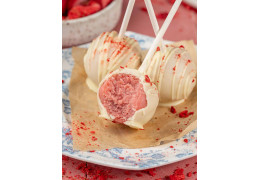 Healthy cake pops with freeze-dried strawberries (suitable for children)Read more
 -
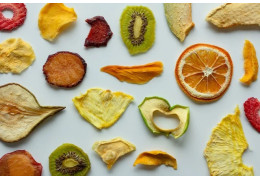 Freeze-dried fruit for children: a healthy and fun alternative to sweetsRead more
Is freeze-dried fruit suitable for children? Find out why this is a healthy, natural, and practical snack without added sugar.
-
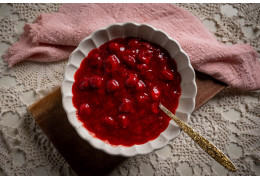 Roman fruit dressing from cherries and wineRead more
A simple historical recipe from ancient Rome: fruit topping made from frozen cherries, honey, and wine. An idea for a dessert with a touch of history.
-
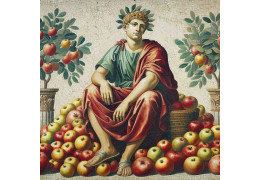 The history of fruit: how fruit has shaped human civilizationRead more
Discover the history of fruit – from the first wild berries to modern cultivation. How has fruit shaped diet, culture, and civilization?
-
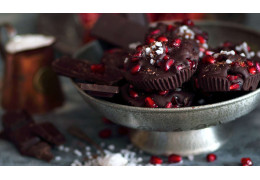 Sweet, bitter, and functional: pomegranate and dark chocolateRead more
Pomegranate and dark chocolate create a powerful antioxidant combination. Discover the scientific background of their synergy, health effects, and practical applications.
Blog tags
Popular posts

Freeze Drying of Fruit: The Complete Process and Its Benefits
Lyophilization is a special drying process that keeps fruit almost as fresh as in its natural state.
Read more
Cranberries – Natural Support for Health and Well-being
Cranberries (lat. Vaccinium macrocarpon) are among the most valued superfoods. They have been known for their...
Read more The history of fruit: how fruit has shaped human civilization
Discover the history of fruit – from the first wild berries to modern cultivation. How has fruit shaped diet,...
Read more
Red pitaya - where to buy it and how to use it
Find out what red pitaya is, where to buy it in Slovenia, and how to use it in smoothies, desserts, and refreshing...
Read more Healthy cake pops with freeze-dried strawberries (suitable for children)
Healthy cake pops with freeze-dried berries – without white sugar, suitable for children and easy to prepare. A...
Read more
Freeze Drying of Fruit: The Complete Process and Its Benefits
Lyophilization is a special drying process that preserves fruit almost as fresh as in its natural state. It is an advanced process where the fruit is first frozen and then the moisture is removed by sublimation under very low pressure. This process is very effective for preserving the nutrients, taste, color, and texture of the fruit, which is very important for healthy eating and longer storage.
1. How does lyophilization work?
Step 1: Preparation and Freezing
The fruit is first washed, cut, and prepared for freezing if necessary. Then it is frozen at very low temperatures (usually below -50°C). The purpose of this step is to stabilize the fruit so that it is ready for the water removal process.
Step 2: First Drying Phase - Sublimation
Once the fruit is frozen, the sublimation process begins. In a special chamber where pressure and temperature are controlled, the frozen water in the fruit turns directly into water vapor without going through the liquid state. This process requires low pressure, so the chamber operates under vacuum. The fruit retains its structure as the water evaporates without damaging the cell walls.
Step 3: Second Drying Phase - Secondary Desorption
After most of the water has evaporated, secondary drying follows, where the last traces of moisture are removed. This phase takes place at slightly higher temperatures, ensuring that the water content in the final product is very low (approximately 1–4%), allowing for long-term storage without the use of preservatives.
2. Advantages of lyophilized fruit
Preservation of Nutritional Values
Since lyophilization occurs at very low temperatures, the fruit retains most of its vitamins, minerals, and antioxidants. This means that lyophilized fruit contains almost the same amount of nutrients as fresh fruit, making it an extremely healthy alternative.
Long Shelf Life
Lyophilized fruit has a long shelf life due to its low water content, without the use of preservatives. It can be stored for months or even years, providing a fresh snack ready for use at any time.
Taste and Texture
Since the process preserves the structure of the fruit, lyophilized fruit retains its natural taste and aroma. It has a crispy texture that is pleasant to eat and rehydrates quickly if soaked in water.
Light and Convenient Snack
Lyophilized fruit is extremely light, as most of the water is removed, making it easy to carry. It is excellent for travelers, athletes, or those in need of a healthy snack on the go.
No Added Sugars and Preservatives
With proper lyophilization, there is no need to add sugar or preservatives to the fruit. This means the snack is natural and free of additives, meeting the needs of everyone concerned with healthy eating.
3. Where is lyophilized fruit used?
Lyophilized fruit is extremely popular in various industries:
- Food Industry: Used in granolas, yogurts, smoothies, desserts, and as a snack.
- Cosmetic Industry: Used for its nutrients, which are retained in cosmetic products.
- Pharmaceuticals: Lyophilization is also popular in preserving natural ingredients for pharmaceutical products.
Conclusion
Lyophilization of fruit is a process that allows for long-term storage without loss of quality. Lyophilized fruit retains nutrients, taste, and color without the need for preservatives or sugars. It is the perfect snack for those seeking a healthy, light, and convenient alternative to fresh fruit.
If you want to try the effects of lyophilization yourself, you can check out our selection of lyophilized fruit.
Posted in: The World of Dried Fruits
Related products

Freeze-dried cherries
Price: €5.50
Freeze-dried cherries are an extremely nutritious and tasty food that offers...

Freeze-dried cherries
Price: €5.50
Freeze-dried cherries are a naturally sweet and nutritious snack that...

Freeze-dried apple slices with cinnamon and ginger
Price: €3.20
Freeze-dried apple slices with a mix of cinnamon, ginger, and cloves are an...

Freeze-dried apple cubes
Price: €3.20
Freeze-dried apple cubes are an excellent alternative to fresh fruit, as they...

Freeze-dried kiwi
Price: €3.20
Freeze-dried kiwi is an excellent source of vitamins, minerals, and...

Freeze-dried figs
Price: €5.50
Freeze-dried figs are a rich source of natural nutrients that can positively...

Freeze-dried bananas
Price: €5.00
Freeze-dried bananas are an excellent source of nutrients and offer numerous...
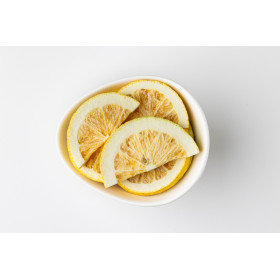
Freeze-dried organic lemons
Price: €3.20
Freeze-dried lemons are an excellent way to incorporate the nutrients and...

Freeze-dried raspberries
Price: €4.50
Freeze-dried raspberries are a nutritious, tasty, and versatile superfood...

Freeze-dried pear cubes
Price: €5.50
Freeze-dried pears are a natural and nutritious snack that offers numerous...

Freeze-dried kaki
Price: €3.80
Freeze-dried persimmon is an excellent choice for anyone who wants to enjoy...

Freeze-dried pineapple
Price: €5.50
Freeze-dried pineapple is a tasty, nutritious, and versatile snack that...

Freeze-dried pomegranate
Price: €5.00
Freeze-dried pomegranate is an extremely nutritious superfood that retains...

Freeze-dried blackberries
Price: €3.80
Freeze-dried blackberries are a crunchy snack, extremely rich in nutrients,...

Freeze-dried melon
Price: €4.50
Freeze-dried melon is a tasty and nutritious snack that retains all the...

Freeze-dried red pitaya
Price: €4.50
Freeze-dried red pitaya is a nutritious and convenient superfood snack, rich...

Freeze-dried BIO orange
Price: €3.20
Freeze-dried oranges are an excellent way to enjoy citrus fruits all year...

Freeze-dried mango
Price: €3.80
Freeze-dried mango is one of the best alternatives to sweet snacks, as it...

Freeze-dried red currant
Price: €3.50
Freeze-dried red currant is a true superfood, as it combines a rich...

Freeze-dried wild blueberries
Price: €4.90
Freeze-dried blueberries are a rich source of antioxidants, especially...
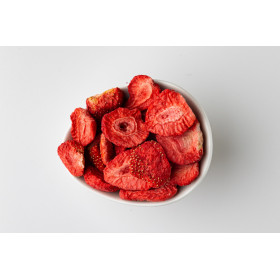
Freeze-dried strawberry slices
Price: €3.50
Freeze-dried strawberries are an excellent way to enjoy all the nutrients of...

Freeze-dried strawberries coated in dark chocolate
Price: €6.30
Discover the perfect combination of crunchy freeze-dried strawberries and...

Freeze-dried strawberries coated in milk chocolate
Price: €6.30
Delicious freeze-dried strawberries, surrounded by delicate milk chocolate,...

Freeze-dried strawberries coated with white chocolate
Price: €6.30
Experience the perfect harmony of crispy freeze-dried strawberries and creamy...

Freeze-dried cherries coated in white chocolate
Price: €6.50
Discover the magical combination of crunchy freeze-dried cherries and silky...

Freeze-dried cherries coated with dark chocolate
Price: €6.50
Experience the perfect taste of freeze-dried cherries coated in luxurious...

Banana slices coated with dark chocolate with added hemp protein
Price: €6.90
Discover the perfect combination of crispy freeze-dried banana slices, coated...

Banana slices covered with dark chocolate
Price: €6.30
Experience the irresistible combination of crunchy freeze-dried banana slices...

Freeze-dried banana slices coated with milk chocolate
Price: €6.30
Enjoy the perfect harmony of crunchy freeze-dried banana slices and creamy...

Related posts
 5 Myths About Freeze-Dried Fruit That Aren't True
Freeze-dried fruit is not just a marketing trick. It is a quality product with clear advantages: long shelf life,...
Read more Apples - a nutritional treasure trove of health and an indispensable part of Slovenian traditionApples are a versatile and nutritionally rich fruit that contribute to better health, good digestion, and a strong...
Read more Homemade granola with freeze-dried apples and warm spicesCrunchy homemade granola with oats, walnuts, and freeze-dried apples, enriched with cinnamon, ginger, and cloves. A...
Read more Bananas and Their Impact on Health – Why They Are an Excellent Choice for AthletesDiscover why bananas are healthy, what benefits they have for the body, and why they are especially suitable for...
Read more Freeze-dried fruit for children: a healthy and fun alternative to sweetsIs freeze-dried fruit suitable for children? Find out why this is a healthy, natural, and practical snack without...
Read more