


Healthy cake pops with freeze-dried berries – without white sugar, suitable for children and easy to prepare. A perfect fruity dessert.
Search in blog
Latest posts
-
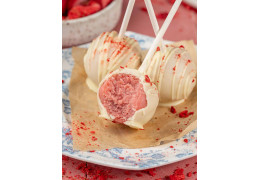 Healthy cake pops with freeze-dried strawberries (suitable for children)Read more
 -
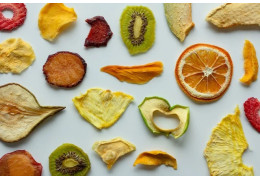 Freeze-dried fruit for children: a healthy and fun alternative to sweetsRead more
Is freeze-dried fruit suitable for children? Find out why this is a healthy, natural, and practical snack without added sugar.
-
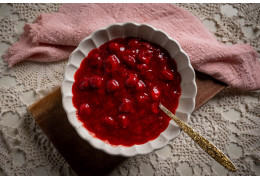 Roman fruit dressing from cherries and wineRead more
A simple historical recipe from ancient Rome: fruit topping made from frozen cherries, honey, and wine. An idea for a dessert with a touch of history.
-
 The history of fruit: how fruit has shaped human civilizationRead more
Discover the history of fruit – from the first wild berries to modern cultivation. How has fruit shaped diet, culture, and civilization?
-
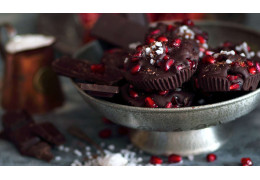 Sweet, bitter, and functional: pomegranate and dark chocolateRead more
Pomegranate and dark chocolate create a powerful antioxidant combination. Discover the scientific background of their synergy, health effects, and practical applications.
Blog tags
Popular posts

Freeze Drying of Fruit: The Complete Process and Its Benefits
Lyophilization is a special drying process that keeps fruit almost as fresh as in its natural state.
Read more
Cranberries – Natural Support for Health and Well-being
Cranberries (lat. Vaccinium macrocarpon) are among the most valued superfoods. They have been known for their...
Read more The history of fruit: how fruit has shaped human civilization
Discover the history of fruit – from the first wild berries to modern cultivation. How has fruit shaped diet,...
Read more
Red pitaya - where to buy it and how to use it
Find out what red pitaya is, where to buy it in Slovenia, and how to use it in smoothies, desserts, and refreshing...
Read more Healthy cake pops with freeze-dried strawberries (suitable for children)
Healthy cake pops with freeze-dried berries – without white sugar, suitable for children and easy to prepare. A...
Read more
Fruits and Heart Health: How Diet Affects Cardiovascular Diseases
Introduction
Cardiovascular diseases are one of the leading causes of death in the modern world. Research increasingly shows that a diet rich in fruits plays a crucial role in their prevention. Fruits contain numerous bioactive compounds that directly affect heart and vascular health.
How Fruit Affects Heart Health
Fruits work on multiple levels:
- lowering levels of bad (LDL) cholesterol
- reducing chronic inflammation
- supporting healthy blood vessel function
- helping regulate blood pressure
The key role here is played by polyphenols, flavonoids, and fiber.
Anthocyanins – The Protective Power of Colorful Fruits
Anthocyanins are natural pigments that give fruits their red, blue, and purple colors. They can be found in:
- blueberries
- blackberries
- strawberries
- dark grapes
- pomegranate
Scientific studies show that regular consumption of anthocyanins:
- reduces the risk of coronary disease
- improves blood vessel elasticity
- reduces LDL cholesterol oxidation
Fruit and Cholesterol
Soluble fiber (e.g., pectin in apples and citrus fruits):
- reduces cholesterol absorption in the intestines
- helps regulate the lipid profile
- supports a healthy gut microbiota, which also affects the heart
Which Fruits Are Most Beneficial for the Heart
- Berries – rich in anthocyanins
- Apples – source of soluble fiber
- Citrus fruits – contain flavanones that improve blood flow
- Grapes – resveratrol and polyphenols
How Much Fruit Is Recommended to Consume
Expert guidelines recommend:
- at least 2–3 servings of fruit daily
- a diverse selection of different types
- combination with whole foods
FAQ - Impact of Fruit Consumption on Cardiovascular Diseases
Can fruit really reduce the risk of cardiovascular diseases?
Yes. Epidemiological and clinical research indicates that people who regularly consume fruit have a lower risk of heart disease, stroke, and high blood pressure.
Which fruit contains the most antioxidants?
Berries (blueberries, blackberries, raspberries) contain the highest concentrations of antioxidants, especially anthocyanins.
Is fruit sugar harmful to the heart?
Naturally occurring sugars in whole fruit are not problematic, as they are bound to fibers that slow down absorption and positively affect metabolism.
Do fruit juices offer the same benefits as whole fruit?
No. Fruit juices contain significantly less fiber and can cause a quicker rise in blood sugar. Whole fruit is always the better choice.
How much fruit per day is optimal for heart health?
It is optimal to consume at least 2 servings of fruit daily, with a selection that is diverse and colorful.
Posted in: Svet zamrznjenega sadja
Related products

Picked blackberries
Price: €11.50
Frozen cultivated blackberries are rich in vitamin C, fiber, and...

Frozen raspberries - 2.5kg
Price: €22.72
Frozen raspberries in a 2.5 kg package are aromatic, slightly tart fruits,...

Senga strawberries - uncalibrated
Price: €14.78
Frozen Senga strawberries are known for their intense aroma, natural...

Forest blueberries
Price: €27.38
Frozen wild blueberries are full of natural flavor, vitamins, and...

Related posts
 Red pitaya - where to buy it and how to use it
Find out what red pitaya is, where to buy it in Slovenia, and how to use it in smoothies, desserts, and refreshing...
Read more Rakitovec – A Natural Superfruit for the Immune System, Skin, and VitalitySea buckthorn (Hippophae rhamnoides) is considered one of the most nutritionally rich plants in the world. Due to its...
Read more Cranberries – Natural Support for Health and Well-beingCranberries (lat. Vaccinium macrocarpon) are among the most valued superfoods. They have been known for their...
Read more Frozen fruit – a practical and healthy alternative to fresh fruitFrozen fruit is a practical, nutritious, and accessible alternative to fresh fruit. Due to its long shelf life, easy...
Read more Raspberry sorbet with basil - a healthy, refreshing fruit dessertRefreshing raspberry sorbet with basil is a light and healthy fruit dessert made from simple ingredients. Free of...
Read more